OFFICIAL DEATH CERTIFICATE
Evil Dead: The Game
Saber Interactive
Born
2022-05-13
Game Over
2025-04-01
Lifespan (2.9 years)
Vital Signs
Advertisement
Autopsy Report
Autopsy Report
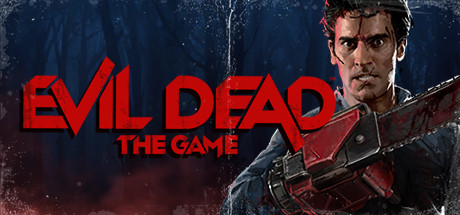
Evil Dead: The Game got the vibe right and everything else wrong. Chainsawing demons as Ash Williams while your friends screamed into their headsets was exactly as fun as it sounds — for about two weekends.
Saber Interactive launched Evil Dead as an Epic Games Store exclusive in May 2022, immediately splitting its potential player base. The asymmetric horror genre lives on Steam, where Dead by Daylight has spent seven years cultivating the largest horror multiplayer community in gaming. By keeping Evil Dead off Steam for a full year, Saber traded community building for Epic’s exclusivity check. When the game finally reached Steam in April 2023, it arrived with 100,000-200,000 estimated owners and a 68% positive review rate — numbers that would be respectable for an indie debut but are damning for a game built on one of horror’s most recognizable franchises.
The 1,199 Steam reviews split 816 positive to 383 negative, a ratio that tells the story of a game with a loyal but small core. The positive reviews gush about atmosphere: the voice acting nails the campy Evil Dead tone, the map design captures the franchise’s isolated dread, and playing as the Kandarian Demon is genuinely creative. The negative reviews converge on a single theme — there isn’t enough of it. The same maps, the same characters, the same loop, match after match. At 33.4 reviews per month, the community was engaged but small, and getting smaller.
Asymmetric multiplayer horror is one of gaming’s most demanding genres to sustain. Dead by Daylight survives through relentless content drops — new killers every few months, licensed crossovers with major horror franchises, seasonal events, gameplay reworks. That content machine costs a fortune to run and requires a dedicated team operating indefinitely. Saber Interactive, a studio better known for ports and licensed tie-ins than long-term live service, ended new content development roughly 15 months after the initial launch. For a genre that lives and dies on novelty, that was the death sentence.
The player count tells the rest. Three concurrent Steam players at the time of data collection — not enough to fill a single 4v1 match. The 83:1 owner-to-review ratio, higher than average, suggests many buyers tried the game and bounced without engaging enough to leave a review. Zero average playtime in the last two weeks means even the three remaining players were ghosts in the matchmaking queue.
Then came the legal kill shot. When Saber’s licensing agreement with the Evil Dead rights holders expired in April 2025, the game was delisted from all storefronts. Unlike games that die from population collapse but remain playable for diehards, Evil Dead’s death was legally enforced. No future developer can pick it up, no community mod can resurrect it, no free-to-play pivot can save it. The IP license was the game’s life support, and when it expired, so did any possibility of revival.
The 58 death score understates the finality. This isn’t a game in slow decline — it’s a game that has been legally erased from commerce while functionally having zero players.
Key Failure Factors
-
Content Drought in a Content-Hungry Genre: Asymmetric horror demands constant new characters, maps, and mechanics. Dead by Daylight releases new content every few months. Saber stopped all development 15 months in. The genre doesn’t forgive stagnation — once matches feel repetitive, players leave for the competitor that keeps things fresh.
-
Epic Exclusivity Missed the Hype Window: Keeping the game off Steam for a year meant missing the launch hype on the platform where the horror multiplayer community lives. By April 2023, the conversation had moved on. Only 1,199 Steam reviews for an Evil Dead game is a marketing failure that the Epic check couldn’t compensate for.
-
IP License as Built-In Expiration Date: The game was built on rented land. When the Evil Dead license expired in April 2025, delisting was automatic and permanent. No amount of community passion or developer commitment could override the legal reality.
-
Competing Against a Genre King With Seven Years of Content: Dead by Daylight had hundreds of hours of content and dozens of licensed killers. Evil Dead launched with a fraction of that variety and never closed the gap. In asymmetric horror, the incumbent advantage is nearly insurmountable.
Lessons for Developers
-
Asymmetric horror is a live-service treadmill — budget accordingly or don’t enter. Dead by Daylight proved the model: biweekly content, licensed crossovers, seasonal events, forever. Any challenger must match that cadence or accept that their player base will migrate to the game that does.
-
Platform exclusivity trades community health for upfront cash. Multiplayer games depend on network effects — more players attract more players. Fragmenting the community across storefronts during the critical launch window damages the network effect that multiplayer games need to survive. The Epic check was revenue; the lost Steam community was the game’s future.
-
Licensed IP carries an expiration date baked into the contract. Building a live-service game on licensed IP means your product’s maximum lifespan is determined by a legal document, not by player demand. Plan the content roadmap with the license end date in mind, and never assume renewal.
-
The owner-to-review ratio reveals bounce rate. At 83:1, Evil Dead’s ratio was well above average, suggesting most buyers tried and left quickly. High ratios on multiplayer games are an early warning that the new-player experience isn’t converting visitors into regulars.
Related Deaths
- Friday the 13th: The Game — Another licensed horror IP game that died from a combination of legal disputes (licensing lawsuit) and content drought. The legal parallel is striking.
- Predator: Hunting Grounds — Asymmetric multiplayer with a licensed IP that followed the same trajectory: strong IP, initial excitement, content drought, population collapse.
- Evolve Stage 2 — Asymmetric multiplayer (non-horror) that tried a free-to-play pivot too late. Same genre mechanics, same failure to sustain content.