OFFICIAL DEATH CERTIFICATE
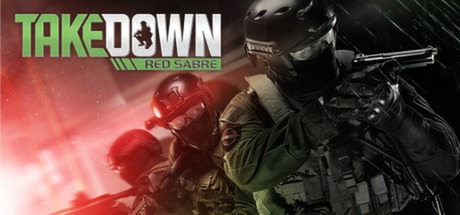
Takedown: Red Sabre
Serellan LLC
Born
2014-02-09
Game Over
2020-03-07
Lifespan (6.1 years)
Vital Signs
Advertisement
Autopsy Report
Autopsy Report
Takedown: Red Sabre marketed itself as a “thinking-person’s shooter; brutal, hardcore and deadly — like the real thing.” The thinking person’s response was to request a refund.
Founded by Christian Allen, a former Red Storm Entertainment developer who worked on the original Ghost Recon, Serellan LLC set out to revive the hardcore tactical FPS genre that had been dormant since the Rainbow Six and SWAT series went mainstream. The pitch was compelling: a return to punishing, realistic tactical gameplay where one bullet kills and strategy matters more than reflexes. The Kickstarter succeeded. The execution did not.
Takedown launched on February 9, 2014, to immediate and overwhelming criticism. Of 5,713 reviews, 3,337 are negative — a 42% positive rate that puts it firmly in the “Mixed (leaning negative)” territory. When your negative reviews outnumber your positive ones by nearly a thousand, the product has failed at its most fundamental obligation: being a functional game.
The failure list reads like a QA department’s nightmare. AI companions walked into walls. Enemy AI behaved erratically. Hit detection felt random. Level design was confusing. The tactical gameplay that justified the entire project — the careful room-clearing, the coordinated team movements, the one-shot-kill tension — was undermined at every turn by technical failures. You cannot make tactical decisions when the game’s systems don’t respond tactically.
The irony cuts deep. Takedown positioned itself in the most demanding genre possible: tactical simulation. The tags — FPS, Tactical, Simulation, Strategy — describe a game for players who notice when bullet ballistics are wrong, who care about AI pathfinding, who demand that a “hardcore” experience be hardcore by design rather than hardcore by brokenness. Marketing to the most discerning FPS audience while delivering a broken product created maximum backlash. These were not casual players shrugging and moving on — they were tactical shooter enthusiasts writing detailed negative reviews.
The 38.6 reviews/month velocity is remarkably high for a game this poorly received, sustained by the game’s ongoing reputation as one of Steam’s worst tactical shooters. The 200,000-500,000 estimated owners tells the saddest part of the story — many of these were Kickstarter backers and early purchasers who bought before reviews could warn them. The 35:1 owner-to-review ratio suggests a large silent majority who paid, played briefly, and walked away without comment.
The market timing was actually favorable, which makes the failure even more painful. In February 2014, there were no major tactical shooters competing for attention. Rainbow Six Siege wouldn’t launch until December 2015. The audience existed, the window was open, and Takedown walked through it with a product that wasn’t ready. When Siege finally arrived with proper resources and polish, it proved exactly how large and loyal the tactical shooter audience was — an audience Takedown had first crack at and squandered.
Serellan LLC went quiet after Takedown. Christian Allen moved on to other industry positions. The studio’s only game sits at 1 concurrent player, an ironic monument to a genre revival that needed proper funding, not just passion.
Key Failure Factors
-
42% Positive — 3,337 Negatives: More negative reviews than positive, a damning ratio for a game that promised “hardcore” quality to the most demanding FPS audience
-
Broken AI Systems: The tactical shooter genre depends entirely on functional AI for both enemies and companions — Takedown’s AI was fundamentally broken, destroying the core gameplay loop
-
200K-500K Owners, 1 Player: A massive gap between copies sold (many via Kickstarter) and anyone actually playing, showing pre-launch hype that evaporated on contact with the product
-
Perfect Market Window Wasted: Launched with zero tactical shooter competition in early 2014 — Rainbow Six Siege proved the audience existed 21 months later
Lessons for Developers
-
Hardcore audiences punish quality failures the hardest. Takedown marketed to players who demand precision, realism, and polish. The 42% positive score — with 3,337 negatives — is what happens when you promise “brutal, hardcore and deadly” and deliver “broken, buggy and frustrating.” If you market to enthusiasts, your product must be flawless in the areas they care about most.
-
Developer pedigree from large studios doesn’t transfer to indie teams. Christian Allen worked on Ghost Recon at Red Storm with hundreds of team members and substantial budgets. Serellan LLC had a fraction of those resources. Individual experience in a resourced organization does not predict the ability to deliver comparable quality with an indie team. Assess capability honestly.
-
A favorable market window amplifies good products and exposes bad ones. Takedown launched into a gap with no tactical shooter competition and 200K-500K people interested enough to buy. In a crowded market, a mediocre game is ignored. In an empty market, a bad game becomes notorious — every disappointed buyer had nothing to compare it to except the classics it promised to revive.
Related Deaths
- Mighty No. 9 — Fellow Kickstarter game from an industry veteran that similarly failed to deliver on nostalgia-driven promises, resulting in a historically poor reception
- Umbrella Corps — Another tactical shooter that launched broken and was immediately rejected by its target audience, though from a much larger publisher
- Evolve Stage 2 — Game with a promising concept that couldn’t overcome fundamental gameplay issues despite having a much larger budget