OFFICIAL DEATH CERTIFICATE
Gigantic
Motiga Inc.
Born
2017-07-18
Game Over
2018-07-31
Lifespan (1.0 years)
Vital Signs
Advertisement
Autopsy Report
Autopsy Report
Gigantic has the highest review score of any game in the Grave Yard that hit zero players — 77% positive from 7,417 reviewers. That number is the entire tragedy in a single data point. This was a genuinely excellent game that the market simply had no room for.
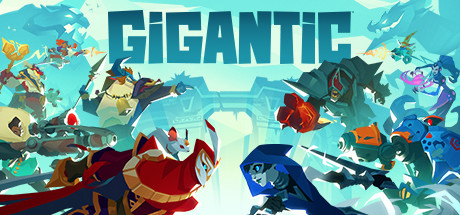
Developed by Motiga Inc. and published by Perfect World Entertainment, Gigantic was a free-to-play strategic hero shooter with a unique hook: teams of five heroes fought alongside massive Guardian creatures that served as both objective and weapon. The Steam description called it a “Strategic Hero Shooter” with “deeply strategic team gameplay” — and for once, marketing copy wasn’t lying. Players who discovered Gigantic’s Guardian mechanic found something no other game offered.
But discovery was the problem. Gigantic launched on Steam on July 18, 2017 — over a year after Overwatch had cemented its dominance and months after Paladins had captured the free-to-play hero shooter audience. The timing was catastrophic, but the real damage had been done years earlier. Motiga’s development was plagued by a Microsoft exclusivity deal that kept the game off Steam during 2015-2016, precisely when the hero shooter market was forming and players were choosing their allegiance. By the time Gigantic reached Steam’s massive audience, the audience had already committed elsewhere.
The ownership data confirms the missed window. An estimated 1-2 million owners for a free-to-play game is modest — compare this to Evolve Stage 2’s 5-10 million. The 135:1 owner-to-review ratio is notably high, suggesting a pattern of download, try once, leave. At 69.9 reviews per month across a 24-month lifespan, engagement was thin and steady rather than the explosive growth a free-to-play game needs to reach critical mass.
The studio context makes the death feel inevitable in retrospect. Motiga was founded specifically to make Gigantic — the game was the studio’s identity and its only product. With no other revenue stream, the studio had zero margin for error. When the game failed to achieve financial sustainability within months of launch, layoffs began. Perfect World Entertainment, the publisher, made the cold financial calculation that server costs exceeded revenue potential. Unlike a single-player game that can linger indefinitely on a store page, a multiplayer game with servers has a burn rate. When revenue doesn’t cover that rate, the math is fatal.
The 0 current players represents the most absolute form of game death. Battleborn has 2 players. Artifact has 42. Gigantic has zero — not because every player left, but because the servers were ripped out. You cannot play Gigantic today. The Guardian creatures, the colorful heroes, the strategic team battles — they exist only in YouTube videos and the memories of 7,417 reviewers who wished more people had shown up.
Key Failure Factors
-
Late Market Entry: Launching in July 2017, over a year after Overwatch, meant competing for scraps in a saturated hero shooter market. The 1-2M owner count for a F2P game — versus Overwatch’s 40M+ — shows how little market share remained.
-
Platform Exclusivity Killed Momentum: The Microsoft exclusivity deal kept Gigantic off Steam during the hero shooter gold rush of 2015-2016. The 135:1 owner-to-review ratio suggests players who eventually found the game on Steam didn’t engage deeply — the moment had passed.
-
Single-Game Studio Fragility: Motiga existed solely to make Gigantic. With no fallback products or alternative revenue, the studio couldn’t survive the ramp-up period a F2P game needs to find its audience. 69.9 reviews/month was thin, steady engagement — but not fast enough to outrun costs.
-
Server Economics vs. Player Count: Multiplayer games have ongoing server costs that single-player games don’t. When Perfect World calculated that Gigantic’s revenue couldn’t cover its infrastructure, the shutdown became inevitable regardless of review scores.
Lessons for Developers
-
Positive reviews don’t pay server bills. Gigantic’s 77% positive rate is excellent — and irrelevant. Multiplayer games need minimum viable player counts to sustain matchmaking and revenue. Plan financial viability around conservative player estimates, not optimistic review scores.
-
Platform exclusivity trades reach for revenue at exactly the wrong time. Keeping Gigantic off Steam during the hero shooter market’s formation was a strategic error that no amount of later exposure could fix. For multiplayer games that depend on population, maximum platform reach from day one is critical.
-
One-game studios have zero margin for error. Motiga’s existence was entirely tied to Gigantic’s success. When the game underperformed, there was no second product, no pivot, and no runway. Small studios building multiplayer games need contingency planning.
-
There’s a window for new genres, and it closes. The hero shooter market had a formation period (2015-2016) when players were choosing their primary game. Gigantic arrived after that window closed. In multiplayer gaming, being early is worth more than being better.
Related Deaths
- Battleborn — Another hero shooter that arrived at the wrong time, crushed between Overwatch’s launch and its own identity crisis.
- Paragon — Epic Games’ MOBA/hero shooter hybrid, shut down in 2018 when the studio redirected resources to Fortnite after failing to sustain a competitive player base.
- LawBreakers — Cliff Bleszinski’s arena shooter, which launched a month before Gigantic and fared even worse, ultimately killing its studio entirely.