OFFICIAL DEATH CERTIFICATE
Battleborn
Gearbox Software
Born
2016-05-02
Game Over
2021-01-31
Lifespan (4.8 years)
Vital Signs
Advertisement
Autopsy Report
Autopsy Report
The death certificate for Battleborn should read: “Cause of death — released 22 days before Overwatch.” It’s a simplification, but not by much.
Gearbox Software — the studio behind the beloved Borderlands franchise — launched Battleborn on May 2, 2016, at a full $60 price tag. Twenty-two days later, Blizzard dropped Overwatch. The rest, as they say, is forensic pathology. With 9,722 total reviews at a 63% positive rate, Battleborn earned a “Mixed” rating on Steam — decent enough to suggest a playable game, but nowhere near the enthusiasm needed to survive Overwatch’s gravitational pull. That 80.5 reviews per month across its 60-month lifespan tells the story of a game that never achieved critical mass.
But timing alone doesn’t explain the full autopsy. Battleborn suffered from a profound identity crisis that even its own marketing couldn’t resolve. The Steam tags read like a genre buffet: “Hero Shooter,” “FPS,” “MOBA,” “Co-op,” “Free to Play.” Was it a hero shooter? A MOBA? A cooperative PvE experience? The answer was “yes, all of those” — and the market responded with “we’ll just play Overwatch, thanks.” When your elevator pitch requires a flowchart, you’ve already lost.
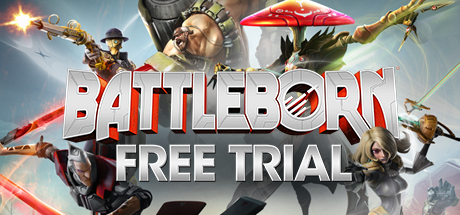
The business model compounded the damage. Charging $60 for a multiplayer-focused game while the genre was trending toward accessible pricing was a barrier that became a wall. The Steam description’s desperate lead — “FREE PVP TRIAL AVAILABLE NOW!” — tells you everything about how that wall performed. By the time Gearbox removed the paywall for PvP, the community had already migrated. The 500,000 to 1,000,000 estimated owners, while respectable, generated an owner-to-review ratio of 51:1 — suggesting many bought the game on Gearbox’s reputation, played briefly, and moved on.
The final data point is the most haunting: 2 current players. Not 2,000. Not 200. Two human beings, somewhere on Earth, logged into Battleborn at the time of data collection. The game’s servers lingered for nearly five years after its effective death, finally shutting down in January 2021. Those 1,811 days of lifespan were more hospice than life — a slow fade from “underperforming” to “ghost town” to “monument to bad timing.”
What makes Battleborn’s death particularly bitter is that there was a genuinely fun game buried under the branding problems. Gearbox’s signature humor, 25 playable heroes, and a full co-op campaign offered more content than Overwatch. But in a market that was consolidating around one clear winner, “more” was less valuable than “clear.” Overwatch knew exactly what it was. Battleborn never figured that out.
Key Failure Factors
-
The Overwatch Shadow: Launching 22 days before Overwatch was a strategic miscalculation that no amount of quality could overcome. The 80.5 reviews/month across 60 months reflects a game that never broke through Overwatch’s awareness monopoly.
-
Genre Identity Crisis: Tags spanning “Hero Shooter,” “MOBA,” “Co-op,” and “FPS” reflect a game that tried to be everything. The 63% positive review rate suggests players were confused or unsatisfied — a “Mixed” score for a Gearbox AAA title is a red flag.
-
Premium Pricing Barrier: A $60 entry price for a multiplayer-focused game drove the eventual “FREE PVP TRIAL” desperation pivot. The 51:1 owner-to-review ratio suggests shallow engagement — people bought it but didn’t stay.
-
Multiplayer Death Spiral: 2 current players represents the inevitable end of a population-dependent game. Once matchmaking times exceeded patience, the few remaining players could no longer sustain the experience.
Lessons for Developers
-
Timing against a market leader is existential, not tactical. Battleborn’s 500K-1M owners versus Overwatch’s tens of millions proves that launching near a dominant competitor in the same genre is a form of commercial suicide. If you can’t beat them to market, find a different market.
-
Genre mashups need crystal-clear communication. The MOBA-shooter-co-op hybrid confused players who couldn’t explain the game to friends. If your elevator pitch takes more than one sentence — “It’s like Overwatch but also a MOBA and also has a campaign” — you have a marketing problem that gameplay quality cannot fix.
-
Premium pricing requires premium market position. Charging $60 for a multiplayer game when the dominant competitor would eventually go free is a population barrier. The data shows it: Battleborn’s free PvP trial came too late, and the 51:1 owner-to-review ratio suggests the paywall prevented community formation.
-
Content breadth doesn’t beat message clarity. Battleborn offered more features than Overwatch (PvE campaign, more heroes, MOBA elements). None of it mattered because Overwatch’s razor-sharp “team hero shooter” identity was more compelling than Battleborn’s buffet approach.
Related Deaths
- LawBreakers — Cliff Bleszinski’s arena shooter, another victim of Overwatch’s market dominance, which launched a year later and fared even worse.
- Gigantic — A beloved hero shooter from Motiga with 77% positive reviews that still couldn’t sustain a player base in the crowded hero shooter market.
- Paragon — Epic Games’ own MOBA/shooter hybrid, shut down in 2018 after the studio pivoted resources to the more lucrative Fortnite.