OFFICIAL DEATH CERTIFICATE
Defiance 2050
Trion Worlds
Born
2018-07-09
Game Over
2020-07-09
Lifespan (2.0 years)
Vital Signs
Advertisement
Autopsy Report
Autopsy Report
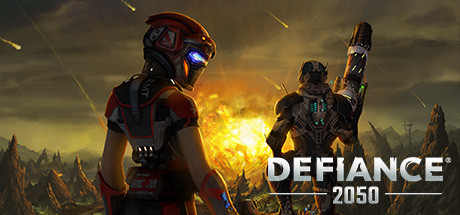
There are bold reboots and then there are desperate ones. Defiance 2050 was the latter — Trion Worlds’ free-to-play attempt to resurrect their 2013 MMO shooter Defiance by slapping updated graphics and a reworked class system onto fundamentally the same game and re-releasing it five years later into one of the most competitive markets in gaming history.
The original Defiance had a clever hook: it was an MMO shooter that tied directly into a SyFy television series, with events in the show affecting the game world and vice versa. It was a middling game elevated by a unique concept. By 2018, the TV show had been cancelled for three years, and the concept was dead. What remained was the middling game.
The 49% review score across 2,288 ratings is the harshest verdict in this batch — a near-perfect split where negative reviews (1,163) actually outnumber positive ones (1,125). For a free-to-play game where the only cost of a negative review is download time, this is devastating. Half the people who tried Defiance 2050 felt compelled to warn others away.
The timing was catastrophic. July 2018 meant competing with Fortnite at peak cultural saturation, Destiny 2 preparing its acclaimed Forsaken expansion for September, Warframe continuing its multi-year growth arc, and The Division 2 announced for early 2019. The looter-shooter space had evolved through three generations since the original Defiance, and the 2050 reboot was still running on first-generation design principles with a second-generation coat of paint.
Original Defiance players had additional reasons to be furious: their progress and purchases didn’t carry over to the reboot. Years of investment in the original game were rendered worthless. The “reboot” felt less like a fresh start and more like a scheme to sell the same items twice.
Three months after launch, Trion Worlds was acquired by Gamigo — a company widely known as a “hospice publisher” that acquires struggling MMOs and runs them on skeleton crews until they quietly expire. The acquisition confirmed what the 49% review score already suggested: Defiance 2050 had no future. Updates slowed to nothing, the player base evaporated, and servers eventually went dark. Zero current players. Game over, again.
Key Failure Factors
-
Rebooting Without Reinventing: The 49% review score reflects a game that players saw through immediately — it was the same 2013 product repackaged for 2018 without addressing the fundamental design issues that made the original mediocre. Only 200K-500K owners for a F2P reboot of a known IP signals minimal interest.
-
Launching Five Years Behind: The looter-shooter genre evolved through Destiny, The Division, and Warframe’s constant updates between 2013 and 2018. Defiance 2050 arrived with 2013-era game design into a 2018 market, and the 24.3 reviews/month velocity confirms tepid engagement even among those who tried it.
-
The Gamigo Acquisition: Trion Worlds being acquired by Gamigo three months post-launch was the recognized death signal. When a hospice publisher takes over, everyone — developers and players — knows the countdown has started.
-
TV Show Gone, Hook Gone: The original Defiance’s unique selling point was the SyFy tie-in. Without it, 2050 was just another generic open-world shooter in a field of superior alternatives.
Lessons for Developers
-
Rebooting a mediocre game without innovation is a losing strategy. If the original couldn’t sustain an audience, re-releasing it with updated graphics won’t either. The 49% score for the reboot vs. the original’s already-poor reception confirms that the market remembered.
-
Don’t launch into a market that has leapfrogged your design. Defiance 2050 brought 2013 game design to a 2018 market where Destiny 2, Warframe, and Fortnite had raised the bar multiple times. Catching up required a complete reimagining, not a remaster.
-
Studio financial distress poisons game launches. Trion’s acquisition by Gamigo three months post-launch confirmed the game was a desperate revenue play, not a strategic product decision. Players can sense desperation — and the 49% score is what desperation tastes like.
Related Deaths
- APB Reloaded — Another MMO shooter reboot that launched free-to-play to mixed reviews and slowly declined under minimal investment.
- Marvel Heroes Omega — An online game shut down after corporate acquisition, following the same publisher-change death pattern.
- Final Fantasy XIV (original) — The gold-standard counter-example: a catastrophic MMO reboot that succeeded because Square Enix completely rebuilt the game rather than repackaging it.