OFFICIAL DEATH CERTIFICATE
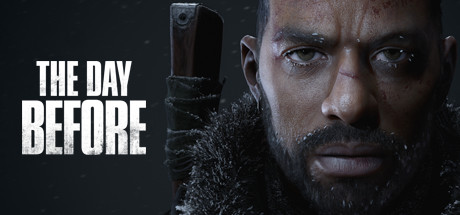
The Day Before
FNTASTIC
Born
2023-12-07
Game Over
2023-12-11
Lifespan (0.0 years)
Vital Signs
Advertisement
Autopsy Report
Autopsy Report
The Day Before didn’t fail. Failure implies an honest attempt that fell short. The Day Before was the most elaborate bait-and-switch in modern gaming history, and the data tells the story of millions of people discovering that simultaneously.
For three years, FNTASTIC — a Singapore-registered studio claiming to develop from Yakutsk, Russia — marketed The Day Before through cinematic trailers that showed a Division-style open-world MMO set in post-pandemic America. The footage was gorgeous: looting abandoned apartments, tense PvP encounters in snowy streets, cooperative survival against zombie hordes across a vast open map. The trailers worked. The Day Before became the number one most wishlisted game on Steam, a position that feeds itself — high wishlist count drives visibility, which drives more wishlists. An estimated 2-5 million people bought the game on or near launch day, December 7, 2023, trusting that three years of marketing reflected a real product.
It didn’t. Within hours of launch, players and streamers discovered that the promised open-world MMO was actually a bare-bones extraction shooter with asset-store environments, non-functional AI, broken gunplay, and a map roughly the size of a small Fortnite zone. The Division-style looter gameplay shown in trailers didn’t exist. The MMO architecture didn’t exist. The open world didn’t exist. What existed was a student-project-quality shooter wearing the skin of AAA marketing.
The review bombing was immediate and historic. 23,254 reviews poured in at a rate of 820 per month (compressed almost entirely into the first weeks), landing at a 16% positive rate — Overwhelmingly Negative. That means 19,603 people wrote negative reviews. To put that in perspective, most games in the graveyard receive a few thousand reviews total. The Day Before generated nearly twenty thousand negative reviews, making it one of the most collectively rejected products in Steam history. The 3,651 positive reviews include a notable proportion of ironic recommendations — people rating it positively as a joke about the scale of the disaster.
FNTASTIC’s response confirmed every suspicion. Four days after launch — four days — the studio announced it was closing. No patches, no community engagement, no post-launch support, no attempt at a roadmap. The speed of the closure strains credulity as a genuine reaction to poor reception. Studios that intend to support their games don’t fold before the first weekend is over. The immediate shutdown, combined with years of suspicious behavior — volunteer labor, aggressive DMCA takedowns of critical coverage, refusal to show unedited gameplay, a temporary loss of the Steam page due to a trademark dispute — painted the picture of an operation designed to maximize launch-day revenue before the truth became apparent.
Valve’s response was unusual and telling. The game was removed from Steam entirely in January 2024, and mass refunds were issued — an action Valve typically reserves for cases it deems fraudulent or deceptive. The current state is complete erasure: 0 players, delisted from all storefronts, studio dissolved. The Day Before exists now only as a cautionary tale and a data point about the limits of Steam’s curation systems.
The 2-5 million ownership estimate represents the scale of the damage. At a $39.99 Early Access price, even accounting for refunds, the launch generated tens of millions in revenue for a product that many in the industry consider an outright scam.
Key Failure Factors
-
Product Was Fundamentally Misrepresented: Three years of cinematic trailers showed a game that didn’t exist. The gap between marketed MMO and delivered extraction shooter wasn’t a quality shortfall — it was a category fraud. The 16% positive review rate from 23,254 reviewers reflects not disappointment but betrayal.
-
Studio Closure in Four Days Confirmed Premeditation: Legitimate studios don’t fold before the first patch cycle. FNTASTIC’s immediate dissolution, combined with years of opacity around development, suggests the launch-and-close sequence was anticipated if not planned.
-
Steam’s Discovery Systems Were Weaponized: The wishlist-visibility feedback loop amplified The Day Before’s marketing to #1 most wishlisted without any mechanism to verify the marketed product matched reality. 2-5 million people purchased based on a position in a ranking that measured hype, not quality.
-
Volunteer Labor and Secrecy Were Warning Signs Ignored at Scale: FNTASTIC used unpaid volunteer developers, issued NDAs aggressively, DMCA’d critical coverage, and never showed unedited gameplay. Every red flag was visible for years. Millions of people bought anyway.
Lessons for Developers
-
Cinematic trailers without gameplay are a red flag, not a hype signal. FNTASTIC never showed unedited, continuous gameplay footage before launch. The entire hype was built on scripted cinematics. As a consumer, demand real gameplay. As a developer, show real gameplay early — trust built through transparency is worth more than trailer-driven wishlists.
-
Platform discoverability systems need fraud prevention. Steam’s wishlist system amplified The Day Before to maximum visibility based on marketing alone. The #1 wishlist position converted to millions of sales with zero quality verification. Platform holders need mechanisms to verify that marketed products bear some resemblance to reality.
-
When a studio refuses transparency, believe the silence. Volunteer labor, NDAs on everything, DMCA takedowns of criticism, no gameplay footage, trademark disputes, repeated delays — every indicator of a problematic project was visible for years. The information was available; the market chose to ignore it.
-
The refund system is damage control, not prevention. Valve’s mass refund was the right response, but it came after millions had already been charged. Consumer protection in digital storefronts needs to happen before purchase, not after.
Related Deaths
- Chronicles of Elyria — Crowdfunded MMO that collapsed without delivering the promised game. Same pattern of ambitious promises, community investment, and ultimate non-delivery.
- Earth 2 — Another overhyped project accused of being a scam, leveraging hype marketing and community FOMO to generate revenue from a product that never materialized as promised.
- Anthem — Different in intent (BioWare genuinely tried) but similar in outcome: marketing promised a vision the product couldn’t deliver, and the gap between trailer and reality destroyed community trust.