OFFICIAL DEATH CERTIFICATE
Suicide Squad: Kill the Justice League
Rocksteady Studios
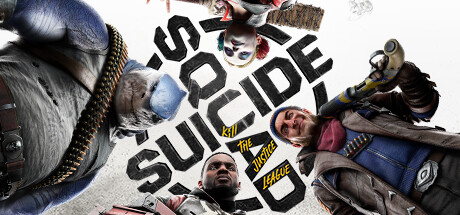
Born
2024-02-01
Game Over
2026-04-04
Lifespan (2.2 years)
Vital Signs
Advertisement
Autopsy Report
Autopsy Report
Rocksteady Studios spent ten years building the greatest superhero games ever made. Then Warner Bros. spent the next nine years making them build a looter shooter that killed Batman in a cutscene.
Suicide Squad: Kill the Justice League launched on February 1, 2024, at a full $69.99 price point — the same premium tier as the Batman: Arkham games that made Rocksteady’s name. The difference is that those games earned it. Arkham Asylum holds a 92 on Metacritic. Arkham City, a 94. Arkham Knight, an 87. Suicide Squad sits at 62% positive on Steam, with 6,677 of its 17,402 reviewers telling the studio that created gaming’s definitive superhero experience: this is not it.
The autopsy begins with the diagnosis everyone saw coming. After the Arkham trilogy concluded in 2015, Rocksteady went dark for nine years. When they resurfaced at DC FanDome 2020, it wasn’t with a new Batman game — it was a four-player cooperative looter shooter. The collective groan was audible across the internet, and the finished product validated every worry.
The game’s core loop is the looter shooter template that had already produced Anthem and Marvel’s Avengers — two of the most expensive failures in the genre’s history. Kill enemies, collect loot with incrementally better numbers, repeat in slightly different arenas. Rocksteady’s signature — tight, responsive combat with weight and consequence — was flattened into the statistical treadmill that live-service games demand. The traversal was fun. The campaign had moments. But the endgame — the part that’s supposed to sustain a live-service game for years — was a content desert of repetitive missions and underwhelming rewards.
The player bleed was immediate and terminal. From an estimated 500,000-1,000,000 owners, the concurrent player count has collapsed to 101. That’s a 99.98% player loss over 26 months. The 1-minute average playtime in the last two weeks is the most damning number in our database — even the 101 remaining players aren’t actually playing. They’re ghosts in a machine that was supposed to run for years.
Warner Bros. drove the final nail when they cancelled the game’s live-service roadmap within months of launch. The seasonal content, the new characters, the evolving storylines — the entire justification for building a live-service game instead of the single-player experience fans wanted — was scrapped. A live-service game without service is just a $70 game with a bad endgame and an internet connection requirement.
The review velocity of 658 per month is telling — low for a $70 DC Universe game from a studio of Rocksteady’s caliber. The low velocity doesn’t indicate a lack of awareness; it indicates a lack of caring. Players didn’t rage-review Suicide Squad. They just left, quietly, the way you close a tab you’re done with.
The community tag “Capitalism” sitting at the top of the Steam tag list captures the sentiment better than any review. This was a game built not because a creative team had a vision but because a publisher saw Destiny’s revenue model and wanted a piece of it. The 101 concurrent players are the market’s final answer to that ambition.
The final indignity: Rocksteady made its name letting players be Batman — the most powerful figure in a room. Suicide Squad asked them to be disposable villains grinding for loot in empty rooms. The metaphor writes itself.
Key Failure Factors
-
Publisher-Mandated Genre Pivot: Rocksteady’s DNA is single-player action-adventure with masterful combat and narrative. WB forced a live-service looter shooter — a fundamentally different discipline the studio had never attempted. The 62% positive rate reflects a studio working outside its expertise.
-
$70 Price in a Free-to-Play Market: The looter shooter genre in 2024 was dominated by F2P titles and Game Pass. Charging premium for a live-service game demands both a complete campaign and a robust endgame. Suicide Squad delivered a mediocre version of both.
-
Cancelled Content Roadmap: A live-service game’s value proposition is ongoing content. WB pulling the roadmap months after launch converted a live-service game into a dead-end product — the worst of both worlds.
-
Ignored the Avengers Warning: Marvel’s Avengers shut down in September 2023 — four months before Suicide Squad launched. Same formula, same outcome. The pattern was visible and ignored.
-
Disrespected the IP’s Emotional Core: Having the Suicide Squad kill Batman and the Justice League in cutscenes alienated the Arkham fanbase. The DC license should have been a strength; instead, the game used beloved characters as disposable content.
Lessons for Developers
-
Don’t force a studio to make a game outside their expertise. Rocksteady’s Arkham trilogy proves what they’re capable of. Suicide Squad proves what happens when a publisher overrides a studio’s strengths. Match projects to studio DNA.
-
Learn from others’ expensive failures. Anthem ($100M+, dead). Marvel’s Avengers ($200M+, dead). Both were IP-driven live-service looter shooters that collapsed. Launching a third attempt at the same formula, at the same price point, ten months after Avengers shut down, is not strategy — it’s denial.
-
A live-service game requires live-service commitment. If the publisher won’t guarantee years of post-launch content investment before launch, don’t ship a live-service game. A cancelled roadmap isn’t just a product failure — it’s a breach of the implicit contract with every player who bought in.
Related Deaths
- Marvel’s Avengers — The most direct parallel: IP-driven live-service looter from a respected studio, premium price, rapid player exodus, cancelled content, shut down within two years.
- Anthem — BioWare’s identical pivot from narrative RPGs to live-service looter, with identically catastrophic results. The Rosetta Stone for publisher-forced genre pivots.
- Babylon’s Fall — Square Enix’s live-service action game that set the speed record for shutdown, another casualty of the “everything must be a live-service” era.