CRITICAL CONDITION REPORT
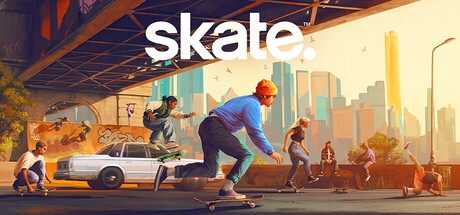
skate.
Full Circle
Born
2025-09-15
Status: Declining
2026-04-04
Lifespan (0.6 years)
Vital Signs
Advertisement
Autopsy Report
Autopsy Report
For more than a decade, the gaming internet ran a single, relentless campaign: bring back Skate. Petitions were signed. Hashtags trended. EA was begged, memed, and pressured until the company finally relented. In 2020, they announced that skate. (lowercase, with a period) was in development. The crowd went wild. Five years later, the crowd has mostly gone home.
skate. launched into early access in September 2025 and generated 82,666 Steam reviews in seven months — an extraordinary volume of 12,316 reviews per month that reflects a decade of pent-up demand finally meeting a product. But 69% positive is not the reception you want for one of the most anticipated revivals in gaming history. Nearly a third of reviewers — over 25,000 people — left negative feedback on the game they had spent years begging for.
The core betrayal, from the community’s perspective, was the business model. The original Skate games were premium, offline-capable experiences about the pure joy of skateboarding — physics-based trick systems, creative line-finding, and personal expression through skate videos. skate. is a free-to-play, always-online live service game set in an open multiplayer world called San Vansterdam. The fans who spent years chanting “#skate4” were not asking for a battle pass. They were not asking for cosmetic microtransactions. They were not asking to be always connected to EA’s servers to ride a virtual skateboard. They were asking for another Skate 3 — 40 hours of skating, filming, and exploring a handcrafted city.
The identity crisis runs deeper than monetization. The original Skate series was about personal creativity — finding a spot, setting up a camera, landing a trick, and sharing the clip. That experience is inherently solitary or small-group. Wrapping it in a persistent multiplayer world with dozens of other players skating past you doesn’t enhance the fantasy; it dilutes it. The always-online requirement means the meditative flow state of solo skating is constantly interrupted by other players, server performance, and the ambient noise of a live service economy.
The 1,529 concurrent players who remain are likely the die-hard skating fans who can see past the live service wrapper to the genuinely impressive Flick-It physics underneath. The 126 minutes of average playtime in the last two weeks confirms meaningful engagement from this core — they’re not just logging in, they’re skating. But they represent a tiny fraction of the massive audience that showed up at launch and left when they realized this wasn’t the Skate 4 they’d campaigned for.
Tony Hawk’s Pro Skater 1+2 proved the template two years earlier: take a beloved skateboarding franchise, remake it faithfully as a premium product, and watch it sell millions. Full Circle and EA looked at that success and chose the opposite path. The result is a game where the skating feels better than ever and everything around it feels like it belongs to a different product from a different company.
The early access label buys Full Circle time, but the fundamental question isn’t whether the game is polished — it’s whether the game is the right game. You can fix bugs, add content, and balance monetization. You cannot retroactively change a free-to-play live service game into the premium single-player sequel that 82,000 reviewers came looking for.
Key Failure Factors
-
Free-to-Play Betrayal: The Skate community spent a decade asking for Skate 4. They got a free-to-play live service game with a battle pass. The disconnect between what was demanded and what was delivered is the primary failure. Tony Hawk’s Pro Skater 1+2 proved the premium model works for skateboarding revivals.
-
Always-Online Kills the Vibe: Skateboarding games are about flow, creativity, and personal expression. An always-online multiplayer world with other players, server requirements, and live service infrastructure undermines the meditative quality that defined the originals.
-
Five Years of Anticipation, Early Access Delivery: Announcing in 2020 and delivering an early access product in 2025 meant players compared an unfinished game against a decade of accumulated fantasy. The expectation gap was unbridgeable.
-
Genre Mismatch with F2P: Free-to-play thrives on social pressure and competitive dynamics. Skateboarding is an individual creative pursuit. The business model and the genre are fundamentally mismatched.
Lessons for Developers
-
Fan demand is for the experience, not the brand. A decade of #skate4 campaigns was a demand for the feeling of Skate 3 — not the letters S-K-A-T-E on a free-to-play wrapper. When reviving a beloved franchise, the business model is part of the identity. Change it at your peril.
-
Not every genre supports free-to-play. F2P works where social dynamics drive spending — competitive shooters, battle royales, team games. Skateboarding is personal and creative. There’s no social pressure to buy a cosmetic skateboard deck. The THPS 1+2 model (premium, complete, offline) was the right call for this genre.
-
The longer the wait, the higher the bar. Five years between announcement and early access created expectations proportional to the timeline. If your game has been publicly anticipated for years, launching as an unfinished product is almost guaranteed to disappoint.
-
Listen to what fans are actually asking for. The #skate4 community was remarkably specific about what they wanted: physics-based skating, creative tools, offline play, and a handcrafted city. They wrote it in thousands of comments, tweets, and forum posts. Full Circle heard the volume but missed the message.
Related Deaths
- Knockout City — EA-published multiplayer game that went free-to-play, couldn’t sustain interest, and shut down. Another case of EA’s live service strategy applied to a genre that didn’t support it.
- Tony Hawk’s Pro Skater 5 — Activision’s botched revival of a beloved skating franchise. Proved that nostalgia doesn’t forgive a broken product, regardless of brand loyalty.
- Multiversus — Warner Bros.’ free-to-play platform fighter that launched to hype, lost players, relaunched, and lost them again. Live service fatigue in action.