OFFICIAL DEATH CERTIFICATE
Redfall
Arkane Austin
Born
2023-05-02
Game Over
2024-05-08
Lifespan (1.0 years)
Vital Signs
Advertisement
Autopsy Report
Autopsy Report
Redfall didn’t just fail. It killed the studio that made it.
On May 2, 2023, Arkane Austin — the team behind Prey, one of the decade’s most acclaimed immersive sims — shipped a cooperative vampire shooter so broken it became the year’s most viral disaster. Twelve months later, Microsoft cancelled all DLC, shut down Arkane Austin, and sent roughly 100 developers home. A 20-year studio legacy erased by a single game.
The reviews say it all: 38% positive across 4,657 Steam reviews — “Mostly Negative.” For a studio whose previous game sits at 85% positive, the quality collapse was catastrophic.
The problems were visible within minutes. Vampire enemies stood motionless while being shot, their AI failing to register the player. The open world was lifeless — copy-pasted encounters and empty buildings. Co-op, the primary selling point, shipped without shared progression or proper matchmaking. On Xbox Series X, Microsoft’s own flagship, the game was locked at 30fps with no 60fps option. In 2023.
The root failure predated launch by years. Arkane Austin was a studio built on meticulously crafted single-player immersive sims — games where every room told a story and every system interlocked with purpose. Prey is a masterclass in environmental storytelling and emergent gameplay. Redfall asked this team to build the opposite: an open-world cooperative loot shooter with procedural content, multiplayer infrastructure, and live service ambitions. It was like asking a master calligrapher to paint a house.
Reports from inside development suggested the project was troubled from conception. The studio had no experience with open-world design, cooperative netcode, or live service content pipelines. Multiple sources indicated the shooter direction was pushed despite internal reservations. The Bethesda-Microsoft acquisition in 2021 likely intensified pressure to ship for the Xbox portfolio, regardless of readiness.
The business model amplified the damage. At $70 on PC while simultaneously on Game Pass, Redfall sat in an uncomfortable middle ground. Game Pass subscribers tried it expecting a competent time-killer, found it broken, and broadcast their disappointment. The 100K-200K estimated Steam owners — remarkably low for an Xbox first-party title — suggest most engagement came through Game Pass, where the barrier to trying and publicly criticizing was zero.
Only 16 people were playing Redfall on Steam at the time of data collection. Average playtime over the last two weeks: zero. Not low — zero. The game exists as a store listing and a cautionary tale, nothing more.
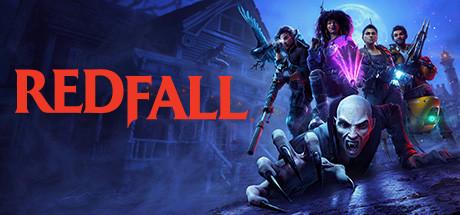
The most damning detail is that you can see Arkane’s DNA in the corpse. The art direction is striking — Redfall’s New England vampire-infested town has genuine atmosphere. The character designs show personality. There are moments where the environmental storytelling flickers to life. But these are fragments of the studio Arkane Austin was, trapped inside a game Arkane Austin was never equipped to build.
Key Failure Factors
-
Shipped in a Non-Functional State: Enemy AI that didn’t react to being shot, a cooperative mode without cooperative features, and 30fps on current-gen hardware. The game wasn’t unpolished — it was broken at a fundamental systems level.
-
Genre Mismatch with Studio Expertise: Arkane Austin’s mastery was in hand-crafted, systemic single-player environments. Asking them to build an open-world cooperative shooter was a misallocation of talent that produced a game worse than what either a dedicated co-op studio or Arkane working in their comfort zone would have delivered.
-
Publisher Pressure and Acquisition Dynamics: The Bethesda-Microsoft acquisition created portfolio pressure to deliver Xbox exclusives. Redfall may have shipped before it was ready because the console ecosystem needed content, not because the game was finished.
-
Total Post-Launch Abandonment: Rather than attempt a No Man’s Sky-style recovery, Microsoft cancelled all DLC and closed the studio within 12 months. The message was clear: this couldn’t be fixed.
Lessons for Developers
-
Studios have core competencies — respect them. Arkane Austin was world-class at immersive sims. Forcing them into a cooperative shooter didn’t leverage that talent — it negated it. A Prey-style single-player vampire game in Redfall’s setting might have been brilliant. The cooperative shooter they shipped was not. Play to your strengths, or accept that you’re building from zero.
-
A broken launch in 2023 is a death sentence. The market has hundreds of quality alternatives available at any moment. Players have zero obligation to wait for patches. Redfall’s window to make a first impression was measured in hours, and those hours showed a game that wasn’t ready. Recovery stories like No Man’s Sky require years of post-launch dedication — a luxury not every studio gets.
-
Game Pass exposes quality problems, it doesn’t insulate them. The assumption that subscription access creates a forgiving audience is wrong. Game Pass players have the lowest switching costs in gaming — if the game isn’t good, they’re playing something else within the hour and telling their friends why.
-
Don’t ship a cooperative game without cooperative features. No shared progression, no real matchmaking, broken AI that makes solo play tedious — Redfall launched without the basic systems its genre requires. If the core promise of your game doesn’t work at launch, nothing else matters.
Related Deaths
- Anthem — BioWare’s own genre-mismatch disaster: a narrative RPG studio forced into building a live service looter shooter, with similarly catastrophic results for the studio’s reputation.
- Babylon’s Fall — PlatinumGames’ disastrous live service attempt, where another respected action game studio shipped a broken product in an unfamiliar genre and saw it die within months.
- Evolve Stage 2 — A cooperative monster-hunting game from a talented studio that failed to sustain its player base, though it at least functioned at launch — a bar Redfall couldn’t clear.