OFFICIAL DEATH CERTIFICATE
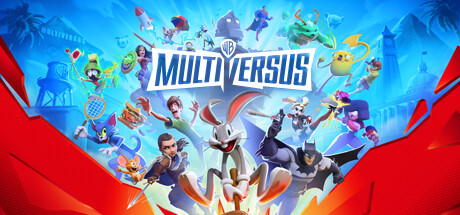
MultiVersus
Player First Games
Born
2022-07-18
Game Over
2025-05-01
Lifespan (2.8 years)
Vital Signs
Advertisement
Autopsy Report
Autopsy Report
MultiVersus had everything: Batman, Bugs Bunny, Shaggy, Superman, a proven gameplay formula, and 150,000 concurrent players on Steam the month it launched. Then Warner Bros. took it away, brought it back worse, and killed it. It is one of the most spectacular cases of a publisher snatching defeat from the jaws of victory in modern gaming history.
The open beta in July 2022 was a genuine cultural moment. Player First Games — a studio founded by veterans of Riot Games and Radiant Entertainment — had built the first credible cross-platform answer to Super Smash Bros. The 2v2 team format was innovative, the netcode was solid, and the Warner Bros. character roster was an IP dream team. Over 150,000 concurrent players on Steam alone, with millions more on console, made MultiVersus the most successful platform fighter launch since Smash Bros. Ultimate. The 116,831 total Steam reviews — an enormous number for any game, let alone a platform fighter — confirm the scale of engagement.
Then came the decision that killed it. In November 2022, Player First Games took MultiVersus offline for an 18-month rebuild in Unreal Engine 5. A game with 150,000 concurrent players was simply switched off. The logic was presumably that a better-looking, better-performing game would attract an even larger audience. The reality was that live service games are built on habits, social bonds, and momentum — all of which evaporate the moment servers go dark. Players who had formed friend groups and competitive rivalries moved to other games. The community that had organically formed around the beta scattered.
When MultiVersus relaunched in May 2024, it returned as a different game in the worst possible way. The monetization had been aggressively overhauled: character unlocks were gated behind grinding or payment, the battle pass was stuffed with filler, and cosmetic pricing had ballooned. Players who had enjoyed generous access during the beta came back to a game that felt designed to extract money first and deliver fun second. The 27,891 negative reviews — nearly a quarter of all reviews — tell the monetization story in volume. The review score dropped to 76% overall (Mostly Positive), but post-relaunch sentiment was dramatically worse.
Warner Bros. managed MultiVersus as an IP revenue vehicle, not a community-driven competitive game. Character additions felt timed to WB’s marketing calendar rather than balance needs. The fighting game community — the core audience that sustains platform fighters — felt sidelined. The 5-10 million owners represent massive IP-driven reach. The 34 concurrent players represent total failure to retain any of them.
The May 2025 shutdown came barely a year after “full” launch. Warner Bros. proved that even the most promising IP-driven live service can be destroyed by taking it offline, rebuilding around monetization, and trusting corporate strategy over community loyalty.
Key Failure Factors
-
18-Month Offline Rebuild Killed Momentum: Taking a game with 150K+ concurrent players offline for an Unreal Engine 5 rebuild destroyed every competitive advantage — community, habits, streamer attention, and competitive scene. Live service games cannot survive extended downtime.
-
Post-Relaunch Monetization Alienated the Core Audience: The beta was generous; the relaunch was predatory. Character unlock gating, inflated battle pass pricing, and aggressive microtransactions felt like a bait-and-switch to returning players who remembered what free used to mean.
-
Corporate IP Management Over Community Investment: Warner Bros. treated MultiVersus as a quarterly revenue target and IP showcase rather than a competitive fighting game with a community to nurture. When relaunch numbers disappointed, the response was abandonment, not adaptation.
-
Fighting Game Community Sidelined: Platform fighters thrive on competitive scenes, tournaments, and dedicated players. MultiVersus’s relaunch prioritized casual monetization over competitive depth, losing the audience that sustains the genre long-term.
Lessons for Developers
-
Never take a successful live service game offline. MultiVersus had 150,000+ concurrent players and genuine momentum. Shutting down for 18 months destroyed the community, the competitive scene, and the habits keeping it alive. If your live game is working, iterate in place — going dark to rebuild is almost always fatal.
-
Monetization must match what players experienced in beta. The beta built goodwill with generous character access and fair pricing. The relaunch’s aggressive monetization felt like a betrayal. Players don’t evaluate your monetization in isolation — they evaluate it against what you trained them to expect. Set monetization expectations early and don’t escalate after launch.
-
IP gets players in the door; gameplay keeps them in the room. Batman, Superman, and Bugs Bunny drove 5-10 million downloads. But licensed characters don’t make people main a fighting game — mechanical depth, competitive balance, and community investment do. Plan your retention strategy independently of your IP strategy.
-
The fighting game community is your survival mechanism, not your secondary audience. Platform fighters survive because dedicated competitive players create content, run tournaments, and evangelize the game. MultiVersus sidelined this community in favor of casual monetization and paid the ultimate price.
Related Deaths
- Nickelodeon All-Star Brawl — Another IP-driven platform fighter that proved famous characters alone can’t sustain a fighting game without mechanical depth and community investment.
- Rumbleverse — A WB-adjacent brawler that also died within a year, reinforcing the pattern of Warner Bros.-connected fighting games failing to retain players.
- Knockout City — A multiplayer brawler that went from millions of players to shutdown, showing the fragility of casual-friendly multiplayer games without competitive depth.
- Marvel’s Avengers — The parallel case of a massive IP-driven live service game that launched with thin content and aggressive monetization, collapsing despite enormous brand recognition.