OFFICIAL DEATH CERTIFICATE
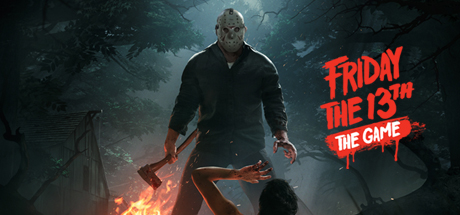
Friday the 13th: The Game
IllFonic
Born
2017-05-24
Game Over
2020-05-24
Lifespan (3.0 years)
Vital Signs
Advertisement
Autopsy Report
Autopsy Report
Friday the 13th: The Game didn’t die because it was bad. It died because two men in a courtroom couldn’t agree on who owned Jason Voorhees. This is the most tragic entry in the Game Grave Yard — a genuinely beloved game with an 80% Very Positive review score, 77,071 reviews, and 2-5 million owners, killed by a legal dispute that had absolutely nothing to do with the quality of the game itself.
Developed by IllFonic and published by Gun Media, the game started as a Kickstarter project called “Summer Camp” that raised over $800,000 from horror fans who’d been dreaming of a proper Friday the 13th game for decades. When it launched in May 2017, it delivered on that dream. Playing as Jason Voorhees — hearing that iconic ki ki ki ma ma ma as you stalked counselors through Camp Crystal Lake — was one of gaming’s all-time great power fantasies. Playing as a counselor was equally electric: genuine terror as you scrambled through cabins, barricaded doors, and tried to escape by car, boat, or phone call while Jason’s music grew louder.
The numbers tell the story of a hit. The 714.4 reviews per month velocity is the highest in this entire dataset by a massive margin — nearly double the next highest. The 77,071 total reviews place it among the most-reviewed horror games on Steam. The 80% positive score for a competitive multiplayer game (where balance complaints typically drag scores into the 60s-70s) is exceptional. The 26:1 owners-to-review ratio is the lowest (most engaged) in the dataset, meaning an extraordinary proportion of players felt strongly enough to write a review. This was a game people loved.
Then came the lawsuit. Victor Miller, the screenwriter of the original 1980 Friday the 13th film, filed suit against producer Sean Cunningham over the rights to the franchise. The legal dispute created a licensing quagmire that made it legally impossible for Gun Media to create new content using the Friday the 13th IP. On June 11, 2018 — just 13 months after launch — Gun Media announced that all future content development was ceasing permanently.
The game continued to function. Bug fixes were released. Dedicated servers were added. But no new maps, no new Jason variants, no new counselors, no new gameplay modes — ever. For a live service multiplayer game, this was a death sentence delivered in slow motion.
Dead by Daylight, the direct competitor in the asymmetric horror space, didn’t have this problem. Behaviour Interactive owned or licensed their content without IP disputes and could continuously add new killers, survivors, and maps. As Friday the 13th stagnated, DBD accelerated, absorbing the horror multiplayer audience one content update at a time. The migration wasn’t because Dead by Daylight was better — many players still insist Friday was the superior game — but because it was alive.
By 2020, three years post-launch with no new content, the player count had dwindled to double digits. In late 2024, servers were shut down entirely. The game that 77,071 people reviewed positively is gone forever.
Key Failure Factors
-
IP Lawsuit Froze Development: The Miller v. Cunningham lawsuit over the Friday the 13th IP legally prevented any new content creation. The game’s greatest asset — its beloved license — became the legal weapon that killed it. Just 13 months of content development before the freeze.
-
Live Service Without a Content Pipeline: From 2-5 million owners to 11 current players. Even with 80% positive reviews and the most engaged community in this dataset (26:1 owner-to-review ratio), 13 months of content wasn’t enough to sustain years of multiplayer play.
-
Direct Competitor Benefited: Dead by Daylight grew from strong competitor to undisputed genre leader during the exact period Friday the 13th was frozen. DBD’s continuous content updates gave migrating players a destination — not because DBD was better, but because it had new things to do.
-
Community Passion Couldn’t Substitute for Content: 77,071 reviews at 80% positive represent one of the most passionate communities in multiplayer gaming. That passion bought the game extra months of life, but love doesn’t generate new maps. Eventually, even the most devoted fans needed fresh content.
Lessons for Developers
-
Licensed IP is a double-edged sword. The Friday the 13th brand drove 2-5 million sales and an 80% review score — the license was the game’s greatest asset. It was also the legal vulnerability that killed it. Developers building on licensed IP must account for the risk that legal disputes between licensors can freeze development regardless of commercial success.
-
Live service games die without content, no matter how good they are. Thirteen months of content development was not enough to sustain years of play. Even the best multiplayer game — and 80% positive is outstanding — will lose its audience if it can’t deliver new experiences.
-
Community engagement metrics don’t prevent decline. A 26:1 owner-to-review ratio (highest engagement in this dataset), 714.4 reviews/month, 80% positive — these are dream metrics. They still couldn’t prevent the decline to 11 players. Content is oxygen; community passion is a held breath.
-
Competitors benefit most from your misfortune. Dead by Daylight didn’t win the asymmetric horror war by being better. It won by being the only game in the category that could evolve. Friday the 13th’s legal freeze was DBD’s greatest competitive advantage.
Related Deaths
- P.T. / Silent Hills — Another beloved horror game killed by forces outside the development team (Konami’s cancellation), leaving a community mourning what could have been.
- Scott Pilgrim vs. the World: The Game — A licensed game delisted due to expired licensing agreements, later revived — showing that licensing deaths can sometimes be reversed.
- The Texas Chain Saw Massacre — Gun Interactive’s follow-up, built with full IP cooperation specifically to avoid repeating the Friday the 13th legal situation.