Official Death Certificate
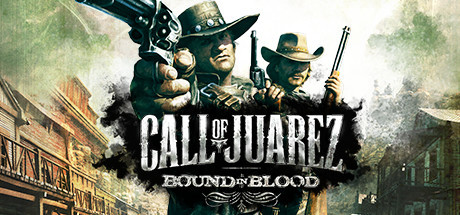
Call of Juarez: Bound in Blood
Techland
Born
2009-07-01
Game Over
2017-11-16
📊 VITAL SIGNS
Advertisement
Autopsy Report
Not every game in this graveyard was murdered. Some lived a full life, rode off into the sunset, and quietly expired of old age. Call of Juarez: Bound in Blood is one of them.
Developed by Techland — years before Dead Island and Dying Light made them famous — this Western FPS launched in July 2009 and earned a Very Positive 87% rating from 4,874 Steam reviews. The McCall brothers’ hunt for the Gold of Juarez resonated with players who praised the gunplay, the dual-protagonist system, and an atmosphere dripping with Old West dust and blood. An estimated 200K-500K owners found it over the years, and it held on for a remarkable 102 months before the player count finally flatlined to 3.
The Western FPS genre has always been a one-horse town, and that horse belongs to Rockstar. Red Dead Redemption landed on consoles ten months after Bound in Blood’s launch and absorbed virtually all cultural attention for Westerns in gaming. On PC, where RDR wasn’t even available, Bound in Blood was essentially the best Western shooter you could play — but “best in a tiny niche” doesn’t keep the lights on forever. The 200K-500K owner range likely represents the ceiling of what a Western FPS could achieve on Steam in that era.
Then Techland moved on. Dead Island hit in 2011, Dying Light in 2015. The studio that once built Chrome Engine cowboys was now building zombie parkour empires. The Call of Juarez franchise took a detour through the critically disastrous The Cartel in 2011, which poisoned the brand. Gunslinger in 2013 was a well-received arcade spinoff but wasn’t a true sequel. No updates, no community events, no sequel to sustain interest. The multiplayer servers — already niche at launch — emptied within a year or two, and the singleplayer campaign could only attract so many new players at progressively deeper discounts.
By late 2017, with the game approaching its ninth birthday and Red Dead Redemption 2 on the horizon, Bound in Blood had nothing left to offer. Currently priced at A$2.99, it sits on Steam as a relic — a genuinely good game that simply ran out of time. Its death score of 50 is the gentlest in the graveyard. This wasn’t a failure. It was retirement.
Key Failure Factors
-
The Genre Ceiling: The Western FPS market on PC was never large. With 200K-500K owners over a decade and 23.9 reviews per month, Bound in Blood likely captured most of its addressable audience. You can’t outrun a genre that tops out in the hundreds of thousands.
-
Studio Pivot to Zombies: Techland didn’t abandon Call of Juarez because it failed — they abandoned it because Dead Island and Dying Light succeeded spectacularly. When your zombie franchise sells millions, a niche Western series can’t compete for internal resources.
-
Franchise Self-Sabotage: Call of Juarez: The Cartel (2011) was a critical disaster that damaged the entire brand. Even though Bound in Blood had nothing to do with The Cartel’s modern-day misstep, the franchise name carried the stain.
-
Multiplayer Death Spiral: Including multiplayer in a game with 200K-500K total owners meant empty servers within months. Dead multiplayer signals abandonment to new players browsing the store page, accelerating the decline.
Lessons for Developers
-
Good games in niche genres die of natural causes, not failure. An 87% Very Positive score proves Bound in Blood delivered on its promise. But the Western FPS genre ceiling is so low that even excellent execution peaks at modest numbers. Understand your genre’s ceiling before committing resources.
-
Multiplayer in niche games is a liability, not an asset. With 3 current players and a “Multiplayer” tag, the dead online mode contributes nothing to longevity and actively signals abandonment. For niche titles, those development resources are almost always better spent on singleplayer content.
-
Studio evolution can render successful franchises obsolete. Techland went from mid-tier Western studio to major zombie game developer within two years. Franchises that don’t scale get left behind regardless of their quality — it’s not personal, it’s portfolio math.
-
A bad sequel can damage a good predecessor. The Cartel’s terrible reception tainted the Call of Juarez name. Players discovering the franchise after 2011 encountered the brand at its worst, not its best.
Related Deaths
- Call of Juarez — The original entry in the same franchise, following the same natural aging trajectory from niche genre to quiet retirement.
- Singularity — Another well-reviewed niche FPS (Raven Software, 2010) that faded as its studio moved to Call of Duty support work.
- Spec Ops: The Line — Critically acclaimed niche shooter with limited commercial success that aged out naturally despite strong reviews.